 Meridexion
Getting a part to the right port is half the job. The other half is getting it onto the ship before the ship sails – and that is a documentation problem far more often than a transport one.
Nothing sharpens a procurement decision like a stopped engine.
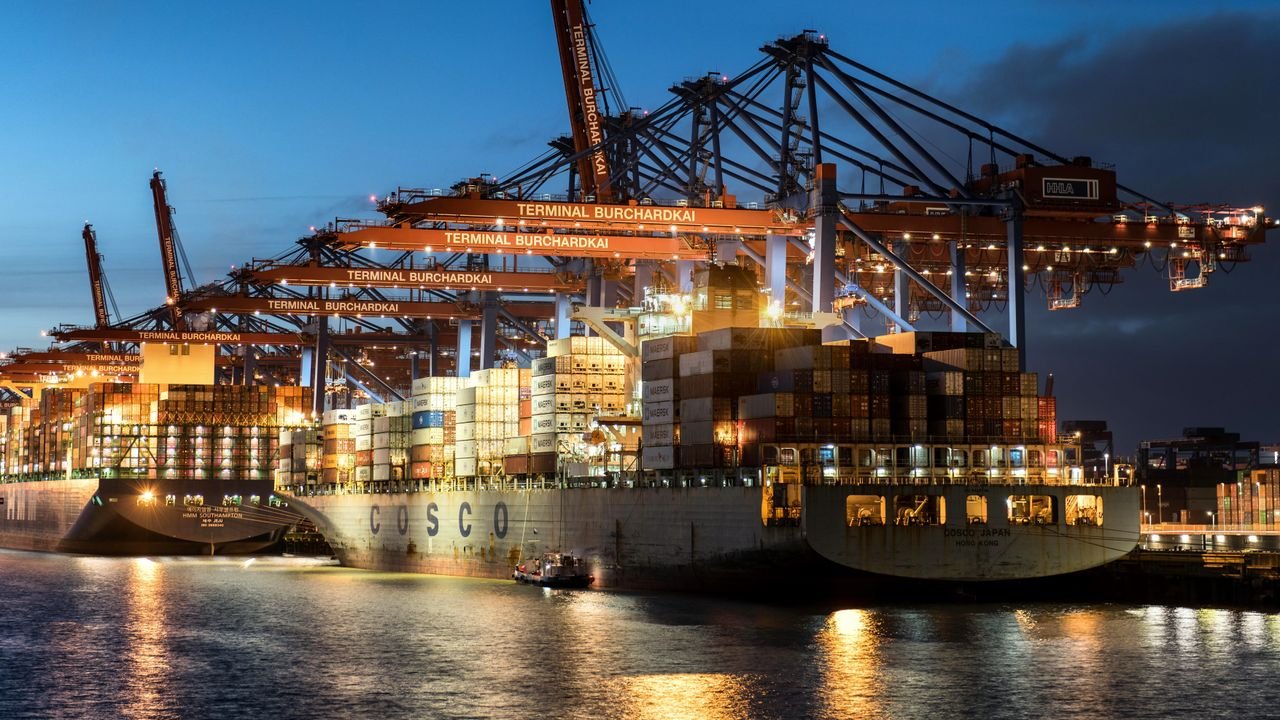
The three routes
As a quick reference:
| Route | Typical transit | Best for |
|---|---|---|
| Air courier door-to-door | 2-5 days | Urgent single parts, high value per kg |
| Air freight to airport, agent clears | 3-7 days | Larger urgent consignments |
| Sea freight consolidation | 3-6 weeks | Docking lists, heavy parts |
What the agent needs from you
- Vessel name and IMO number
- Expected arrival and sailing window
- Consignment contents and value
- Air waybill or bill of lading number
- Whether the parts are ship’s spares in transit (duty treatment differs)
Spares shipped to a vessel under a “ship’s spares” customs procedure usually avoid full import duty, but the declaration must be made correctly at entry. This is the agent’s job, and it depends on the documents you provide.
Where delays actually happen
- Documentation mismatch — invoice value or part description differs from the packing list.
- Late arrival at the port — the vessel sails before the parts clear.
- Wrong delivery address — the agent’s warehouse versus the terminal gate.
- Missing certificate — customs or class holds the goods pending documentation.
- Vessel schedule change — the ship is diverted and the parts are stranded.
Reducing the risk
Working practice
- Send documents to the agent as soon as the shipment is booked, not when it lands.
- Use the vessel’s next two port calls as a fallback plan if the first is tight.
- Mark cases with vessel name, port and agent reference.
- Photograph the packed case and label before dispatch.
- Keep the technical superintendent copied on all shipping correspondence.
When the part must reach a specific port
If the sailing date is fixed, work backwards: delivery date at the port minus clearance time minus transit time gives the dispatch deadline. For the matching hardware, see our range of gaskets, O-rings and sealing kits. Anything that can’t meet it should be quoted with the next port call instead. See how sourcing works for how the sequence is managed.
In short: Worth saying out loud: a cheap part that arrives late is not cheap, and most of the rest is common sense.
Send us the details
Engine make, model, part number and quantity. If you only have a photo and a description, send that – we will work from it.
Questions from the engine room
How long does it take to ship marine spare parts to a vessel?
Air courier door-to-door is typically 2-5 days; air freight 3-7 days including clearance; sea freight consolidation 3-6 weeks depending on the route.
Do spare parts for a vessel pay import duty?
Often they can be cleared as ship’s spares in transit under a specific customs procedure, but the declaration must be correct. The port agent handles this, based on the documents provided.
What causes most delivery delays?
Document mismatches, late arrival relative to the sailing, wrong delivery address, and missing certificates. Sending documents to the agent at booking time rather than on arrival prevents most of them.