 Meridexion
Incoterms are not legal theory. They are three questions: who books the transport, who pays for it, and at which moment the risk moves from us to you. In spare parts, the answer usually falls straight out of the shipment type.
Price differences usually turn out to be scope differences.
The four terms you will actually use
| Term | Seller arranges | Risk passes | Typical use |
|---|---|---|---|
| EXW | Nothing — buyer collects | At the seller’s premises | Buyer has a strong forwarder in origin |
| FOB | Export clearance and loading | When goods are on board | Sea freight, buyer controls freight |
| CIF | Freight and insurance to destination port | When goods are on board | Sea freight, seller arranges carriage |
| DAP | Everything to the named place | At the named destination | Deliveries to a shipyard or warehouse |
Under CIF, note that risk passes at loading even though the seller pays freight — a frequent misunderstanding.
Which term for which shipment
Urgent single part (air courier)
Usually DAP or DDP to the port agent or the vessel. For the matching hardware, see our range of gaskets, O-rings and sealing kits. Air courier under EXW is impractical, because the buyer would have to arrange export clearance in a country where they have no presence.
Planned docking list (sea freight)
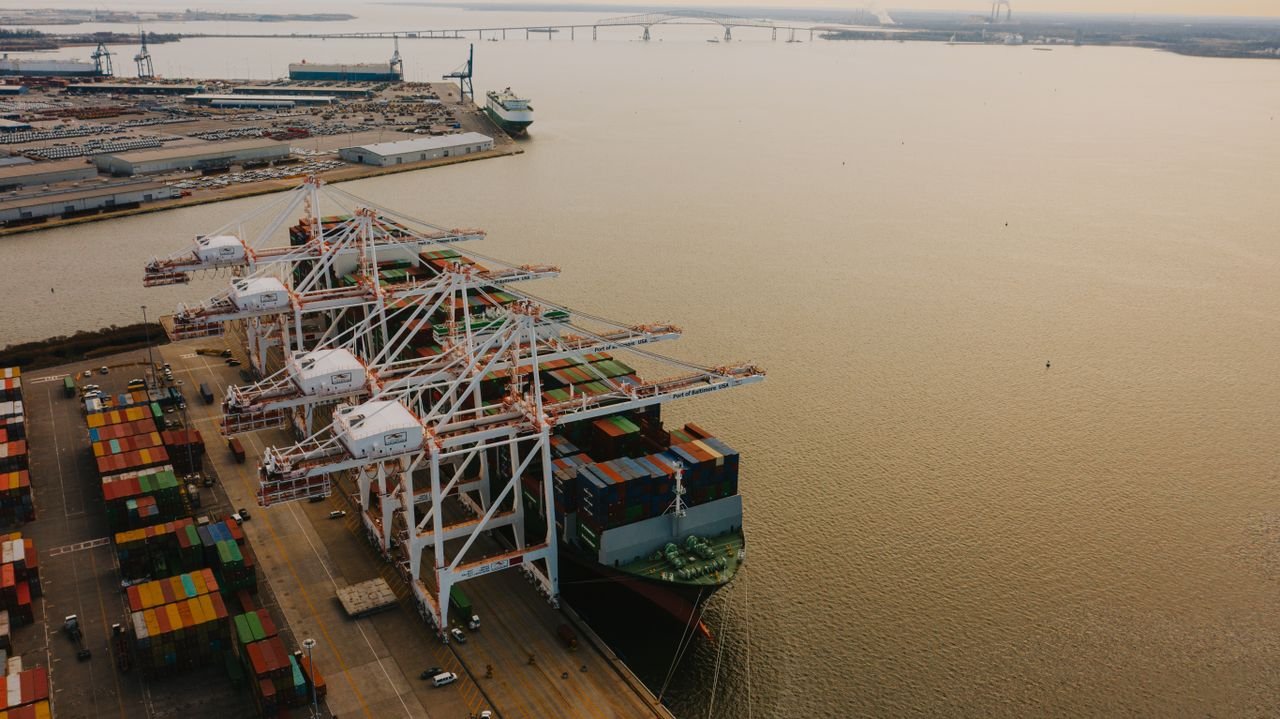
FOB or CIF. FOB if you have contracted freight rates; CIF if you want one invoice and one party responsible to the destination port.
Delivery to a yard
DAP to the yard address, with the yard named precisely. Yards often have specific receiving arrangements, and a shipment delivered to the wrong gate can sit for days.
Where the cost surprises appear
- Destination charges — under CIF, unloading, terminal handling and customs are usually the buyer’s.
- Duties and VAT — not covered by DAP; only DDP includes them, and DDP is rarely offered for marine spares.
- Demurrage and storage — if documentation is late, the cost lands on whoever holds the goods.
- Insurance — under CIF, check the cover level; minimum cover is not the same as adequate cover.
Documentation that must match the term
- Commercial invoice with the correct Incoterm and named place
- Packing list matched to part numbers
- Air waybill or bill of lading
- Certificate of origin where required
- Certificates for the parts themselves
Spare parts in transit to a vessel also need the vessel name and IMO number on the documents, so that the agent can clear them against the ship — see how sourcing works for the sequence.
Questions we get asked
Which Incoterm is best for urgent marine spare parts?
DAP to the port agent or vessel, shipped by air courier. It keeps export clearance with the seller and gives a single delivery point. EXW is impractical for urgent shipments because the buyer would have to arrange origin clearance.
Under CIF, when does risk transfer?
When the goods are loaded on board at origin, even though the seller pays the freight to the destination port. This is the most commonly misunderstood point in CIF shipments.
Does DAP include customs duties?
No. DAP covers delivery to the named place but not import duties or taxes, which remain with the buyer. Only DDP includes them.
Talk to us about this part
One email with the engine details and the part is enough to start. We reply with availability, options and a realistic lead time.